Sir,
Mr. Studwell’s response to my book review exaggerates our disagreements. Nobody ever said that Africa should not industrialize. Point 5 in the penultimate paragraph in my book review states that: “Fifth, developing high value-added services does not mean neglecting manufacturing. All four countries (studied in Mr. Studwell’s book) continue to develop their manufacturing sectors, but they cannot depend solely on manufacturing to create the high growth and jobs that their populations need.”
So, where do I disagree with Mr. Studwell? I do not agree with Mr. Studwell’s recommendation that the development sequence followed by Asia (from agriculture to low productivity, low wage, labor-intensive manufacturing exports, and finally to digital and high value-added services) should be followed blindly by Africa. I believe that Africa should leapfrog into the digital world and not remain stuck in an outdated twentieth-century development paradigm.
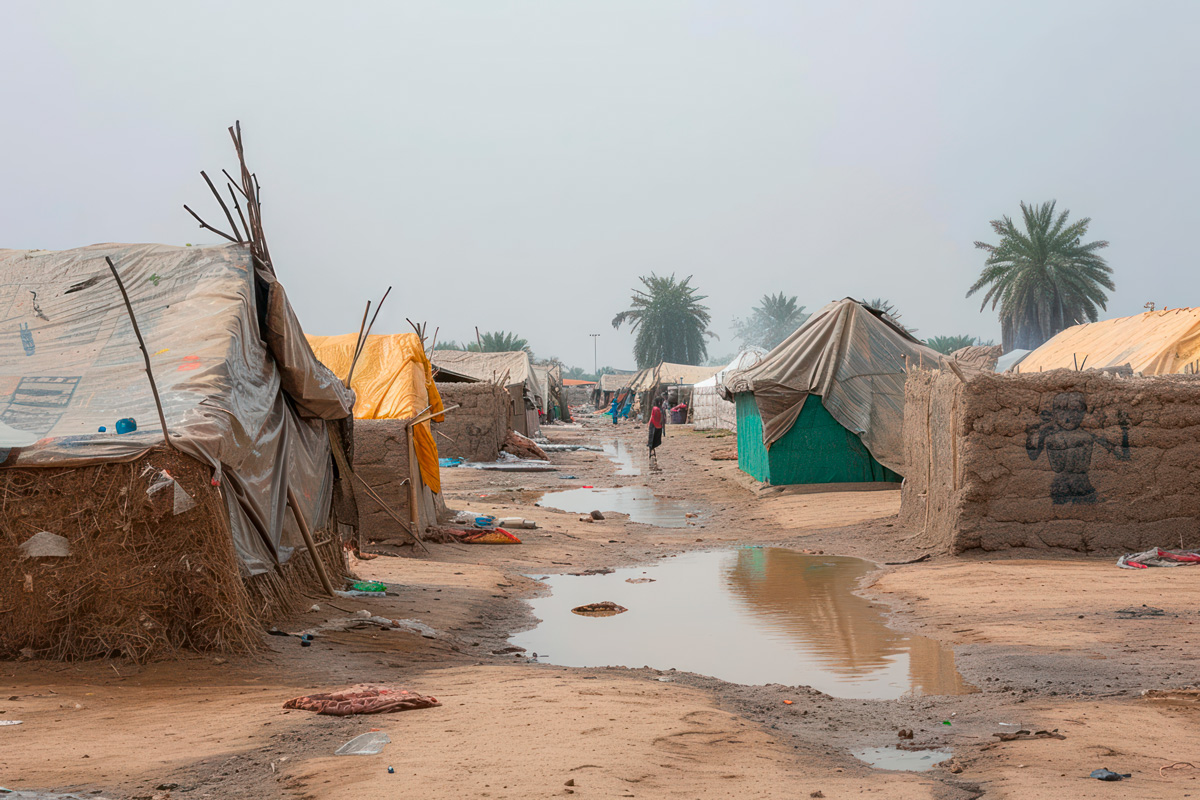
Ethiopia does not prove the failure of industrialization in Africa. Ethiopia demonstrates the failure of a certain type of federal arrangement that was unable to maintain a consensus around a development project and finally ended in civil war. I have had the honor of working closely with past as well as present Ethiopian leaders and I can assure Mr. Studwell that they are intent on leapfrogging their great country into the digital age, without sacrificing manufacturing development. In fact, developing digital services and technology industries would help Ethiopia (and other African countries) improve agricultural yields and industrial competitiveness. It will help resolve the problem of declining productivity, highlighted by Dani Rodrik, and create more high productivity decent jobs across the whole economy.
I have worked with other African economists as well as with African political leaders to develop a digital agenda for our continent. Our imaginative, energetic, multilingual and adaptable youth provide us with an important comparative advantage in digital and technology-based sectors at a time when other regions of the world are dealing with problems caused by an aging and declining population. Kenya’s M-Pesa, which is a world class pioneer of mobile money, is an example of the continent’s energy and ingenuity. Egypt has been increasing its exports of digital services to reach more than $6 billion in 2023. In Mauritius the digital economy now accounts for some 6% of GDP and has created 34,500 high value-added, well paid professional jobs. Half of Rwanda’s GNI comes from the high value-added services sector.
The agenda for Africa’s digital development emphasizes four action areas: (1) investing in digital infrastructure, (2) improving digital education, (3) reforming ICT and digital regulations, and (4) supporting the development of digital private and public platforms.
Analytical work has led to political breakthroughs. In July 2024 the African Union adopted the African Digital Compact (ADC) as Africa’s common position on digital transformation. Africa wants to harness the transformative power of digital technology to drive economic development (improve competitiveness across the whole economy and create more decent jobs), and to improve social services (health and education). The objective is to bridge the digital divide with the rest of the world and to secure an equitable digital environment for all Africans.
Digital development would support and complement industrialization. It would not replace it. Africa should not blindly imitate everything that the successful Asian countries did. Times have changed. African countries need to identify new opportunities and adapt policies to evolving technologies and changing geopolitics. Of course, Africa should learn from Asia’s experience. But it should not try to blindly implement a twentieth-century development model (even if it was very successful) in the very different environment of the twenty-first century.