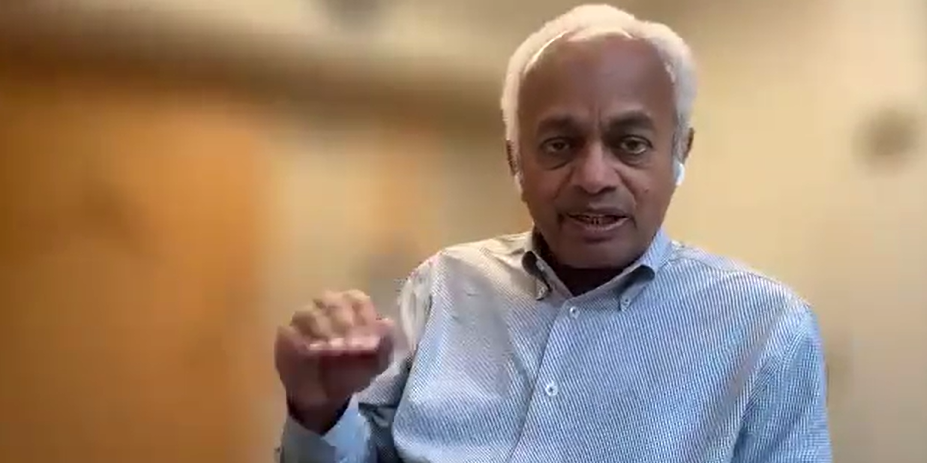
For more than twenty-one years, I worked across Pakistan, Uganda, Ethiopia and Sudan as a staff member of United Nations High Commissioner for Refugees (UNHCR). As a protection officer, I worked directly with communities struggling to rebuild their lives after unimaginable loss.
Recently, I collected my memoirs in a book. But The Geography of Survival is not my story. It is the story of children who became lone survivors, parents forced to make impossible decisions, communities determined to preserve their dignity, and ordinary men and women who displayed extraordinary courage when everything familiar had disappeared.
In every crisis I witnessed, the first response rarely came from international organizations. It came from ordinary people. Families opened their homes to strangers. Communities shared food they could scarcely afford. Local institutions continued serving despite enormous pressure. Humanitarian assistance remains indispensable, but it is most effective when it strengthens the resilience that already exists within communities. Before the arrival of relief agencies, communities were almost always the first responders. Long after emergency assistance has ended, they remain the last line of support.
Survival is what survivors do
Over the years, I came to realise that survival cannot be defined by a single event. It reveals itself differently in every crisis and through every individual.
Survival was when a child found a new foster family in Uganda after losing his own family in South Sudan.
Survival was when a father, displaced by conflict and having lost almost everyone he loved, decided to continue living because his only surviving son still needed him.
Survival was when a mother found the strength to begin life again after suffering a loss that seemed impossible to endure.
Survival was when a humanitarian worker continued protecting strangers in Sudan while carrying the constant worry of a sick daughter thousands of kilometres away in Pakistan.
Survival was when communities continued sharing their limited resources long after humanitarian assistance had diminished because compassion proved stronger than scarcity.
Survival was when neighbours chose reconciliation over revenge and hope over hatred.
Each story unfolded in a different country.
Each crisis emerged from different political, social and historical circumstances.
Each culture responded differently.
Yet every one of them shared something profoundly human.
People refused to surrender.
Everybody dies in the war: some in flesh, others in identity
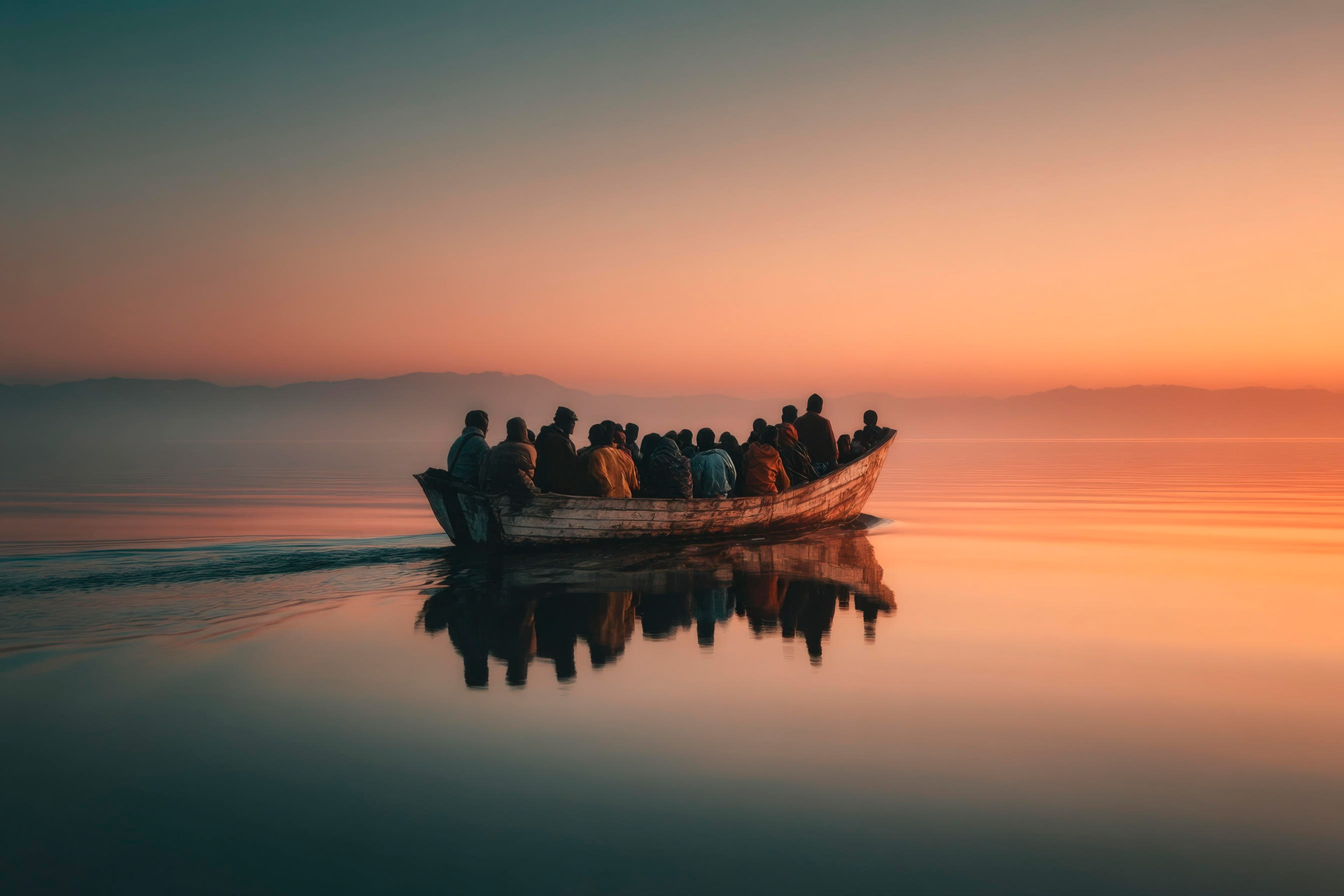
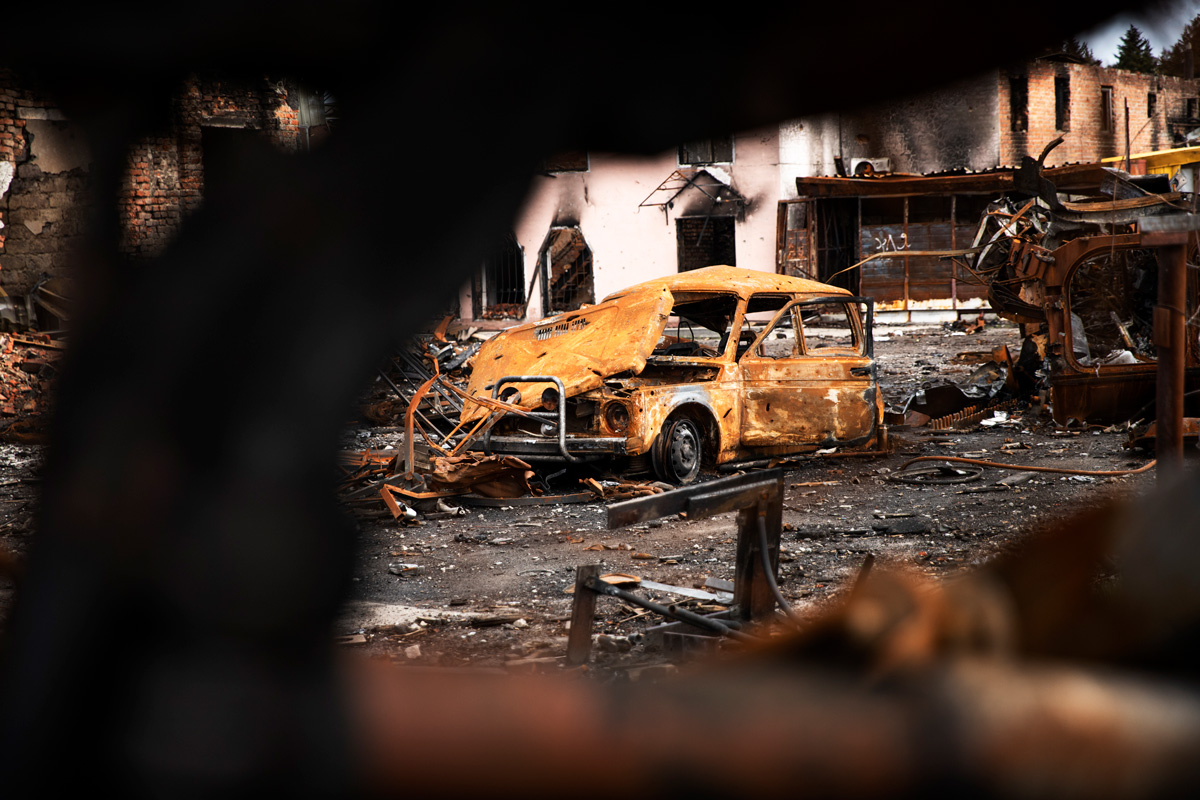
Conflict does not merely destroy homes, separate families or force people to flee. It quietly redraws the geography of identity.
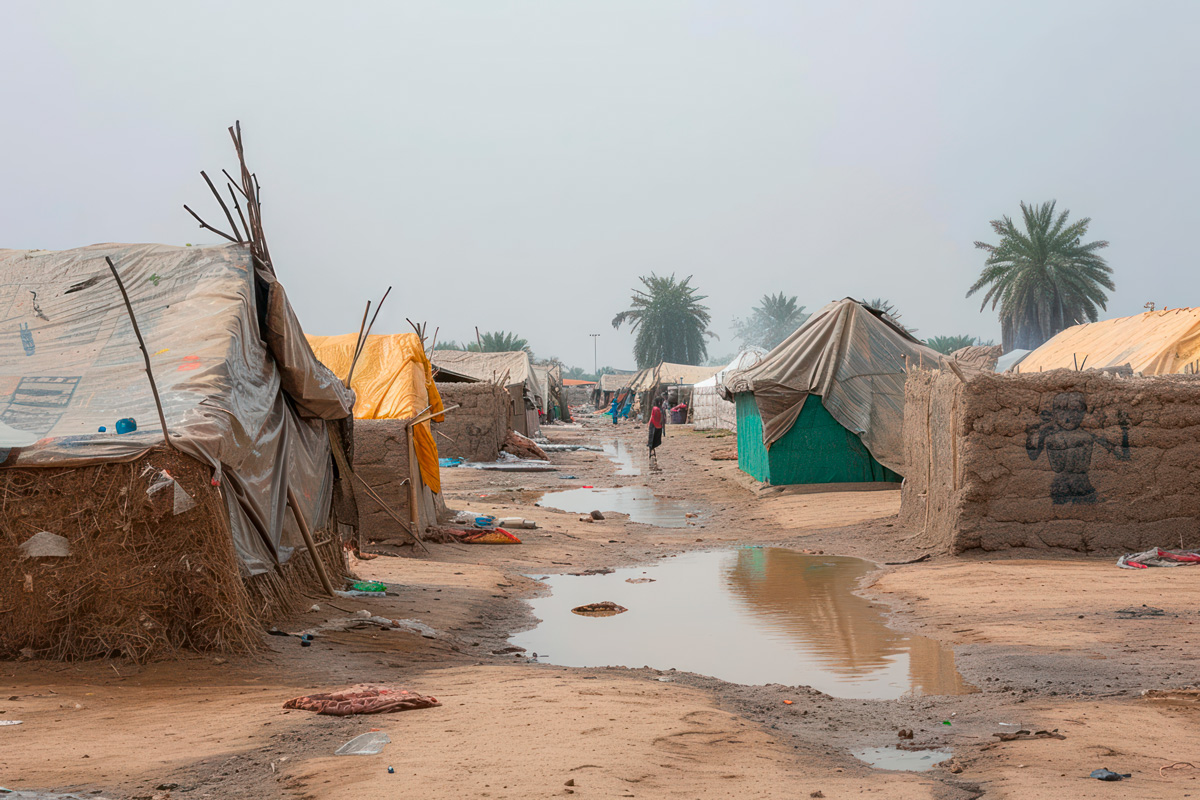
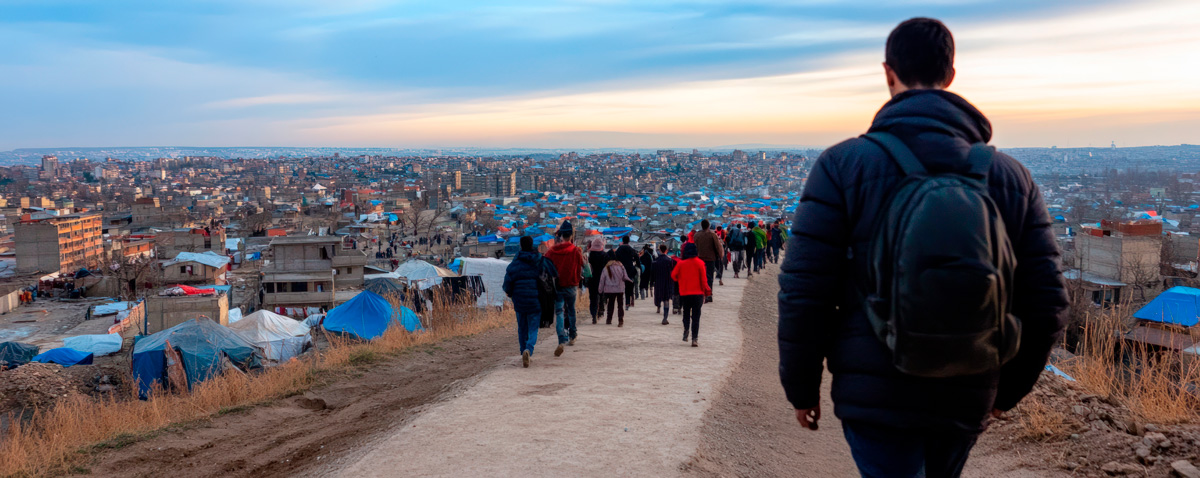
I met an Afghan General who had once commanded thousands of soldiers and later survived by begging for food. I met teachers who could no longer teach, doctors unable to practise medicine, successful businessmen suddenly dependent upon humanitarian assistance, farmers separated from the land that had sustained generations of their families, and skilled workers whose experience no longer mattered because displacement had reduced them to a single administrative category- Refugee, IDP….
In humanitarian work, we often use terms such as refugee, internally displaced person or stateless person. These classifications are operationally necessary, but they can also unintentionally conceal the identities that existed long before displacement. Behind every refugee is a teacher, a mother, a father, a doctor, a soldier, a nurse, an engineer, a business owner, a farmer, a student—And a human being whose identity was never meant to be defined by the circumstances of conflict.
Perhaps one of the greatest tragedies of war is not only that it destroys lives and livelihoods. It is that it strips people of the identities that gave meaning, dignity and purpose to their lives. Humanitarian assistance can help people survive, but true recovery begins when people recover not only their safety, but also their identity, their place within their community and the opportunity to shape their own future once again.
Looking back today, I no longer see these as isolated humanitarian stories.
I see them as different expressions of the same human instinct: the determination to preserve life, dignity, family, identity and hope despite overwhelming adversity.
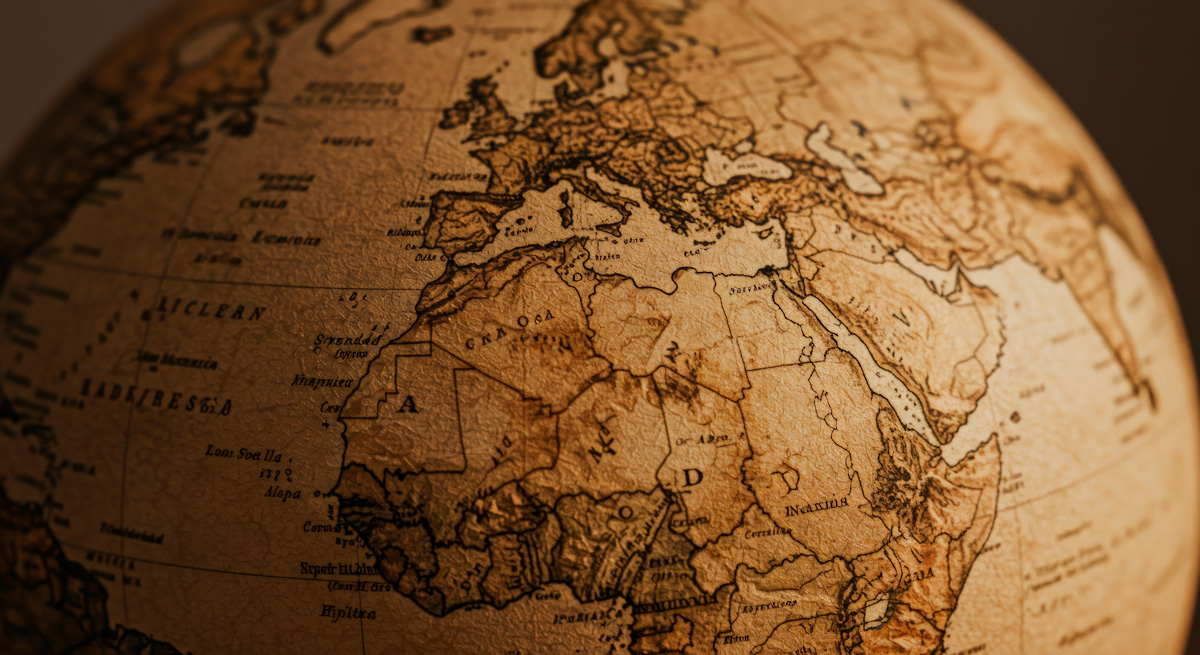
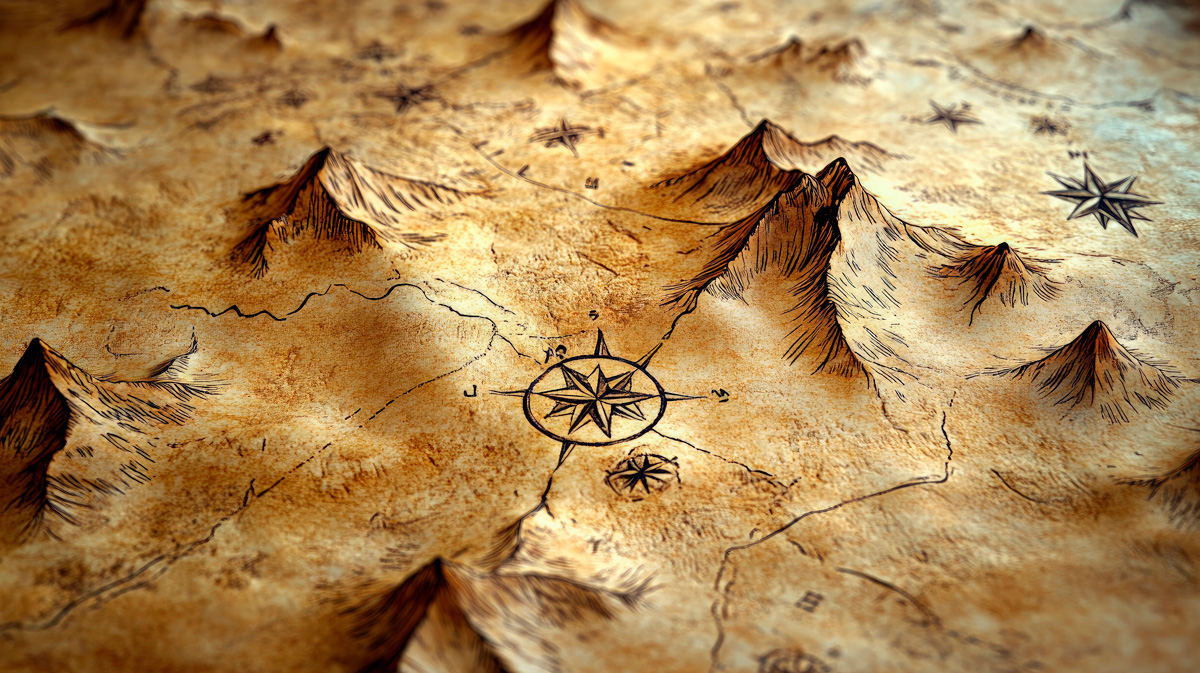
Survival transcends maps
Geography is often understood through borders, landscapes and distances.
The geography of survival is different.
It is the geography of relationships.
The geography of families protecting one another.
The geography of communities refusing to abandon their most vulnerable members.
The geography of cultures preserving their identity despite displacement.
The geography of humanity finding reasons to continue when every reason to stop seemed equally convincing.
Hope is not to be taken for granted
Not every story I witnessed, however, ended with hope.
Many stories ended before help could arrive.
Others demanded a price so immense that survival itself became a burden carried for the rest of a lifetime.
There were children who never found a family.
Parents who never returned home.
Communities that disappeared from the maps they had inhabited for generations.
These stories deserve to be remembered with the same honesty as those where hope prevailed.
They are a reminder that survival should never depend upon chance, geography or the generosity of others. It should be protected, nurtured and made possible through stronger communities, capable institutions and a more peaceful world.
Perhaps that is the aspiration that quietly runs through the stories in the book: not merely to document resilience, but to imagine a future where the opportunity to survive with dignity is not an exception reserved for the fortunate, but a possibility available to everyone.
Humanitarian assistance helps, but community resilience is the prime mover
The greatest lesson I carried away from these twenty-one years was neither operational nor institutional.
It was deeply human.
Resilience.
Not resilience as described in strategic plans or policy documents.
Resilience as lived by ordinary people.
Resilience is a child learning to smile again after unimaginable loss.
It is a parent choosing hope despite overwhelming grief.
It is communities rebuilding trust after violence has divided them.
It is cultures refusing to disappear.
It is humanitarian workers continuing to serve despite witnessing tragedy after tragedy. Dying everyday, living everyday.
Hope has always been humanity’s greatest source of resilience.
It has enabled families to rebuild after conflict.
Communities to recover after disaster.
Nations to emerge from violence.
Generation after generation, hope has allowed humanity to survive experiences that once appeared impossible to overcome.
For those of us working in humanitarian action, development and peace, these stories are a reminder that our greatest contribution is not simply responding to crises. It is helping to create conditions in which people can reclaim ownership of their future.
Because in the end, survival is never simply about staying alive.
It is about preserving our humanity.
And perhaps our greatest responsibility, as humanitarian practitioners, development professionals, peacebuilders and fellow human beings, is to help create a world where survival with dignity is no longer an extraordinary achievement, but an ordinary expectation.
That, ultimately, is the geography of survival.