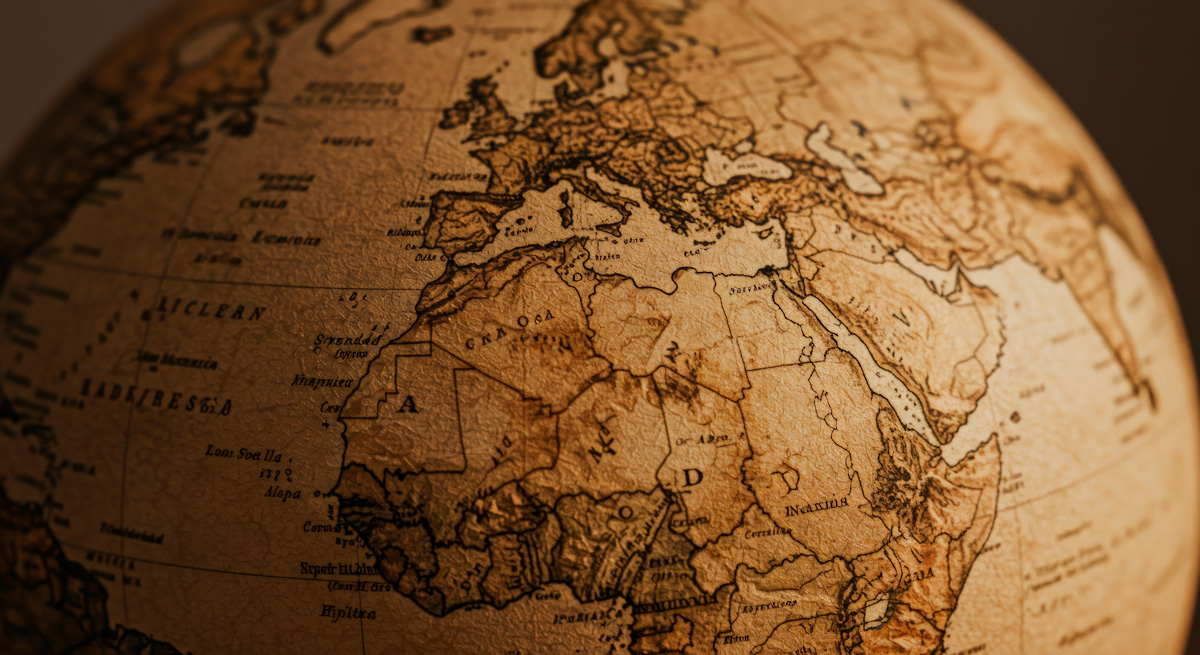
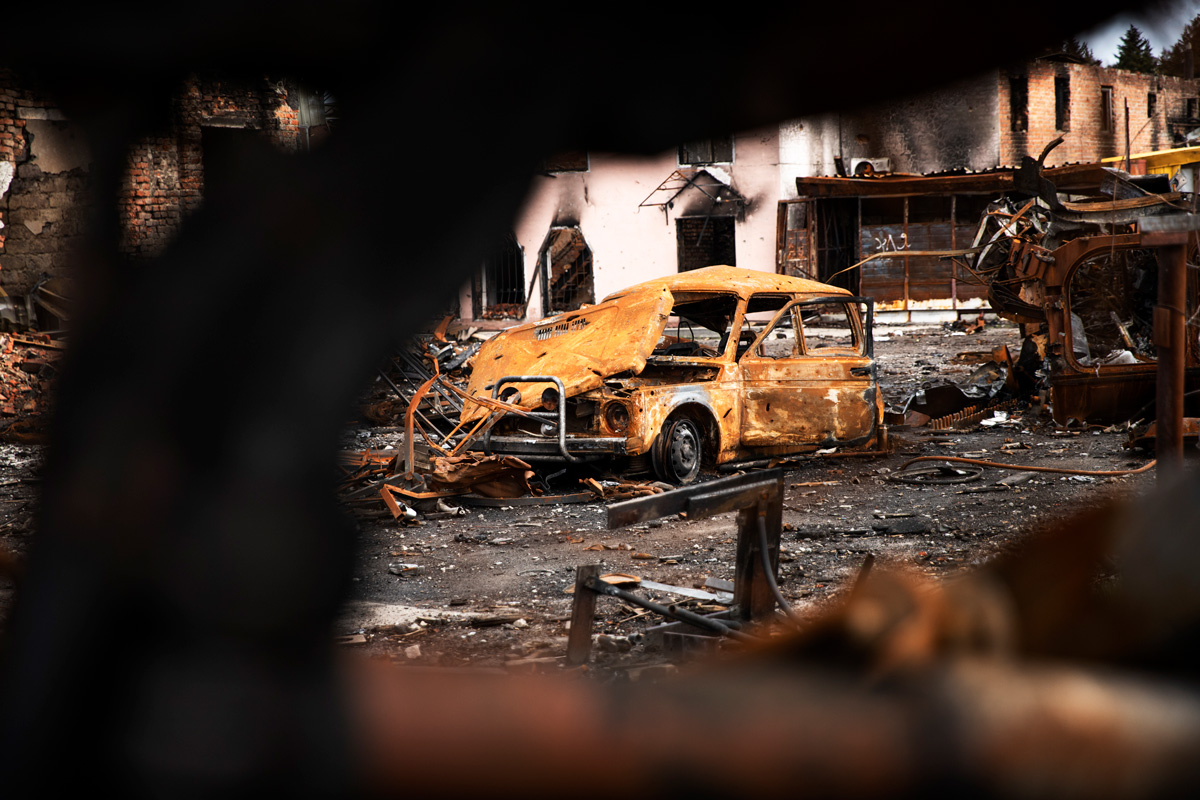
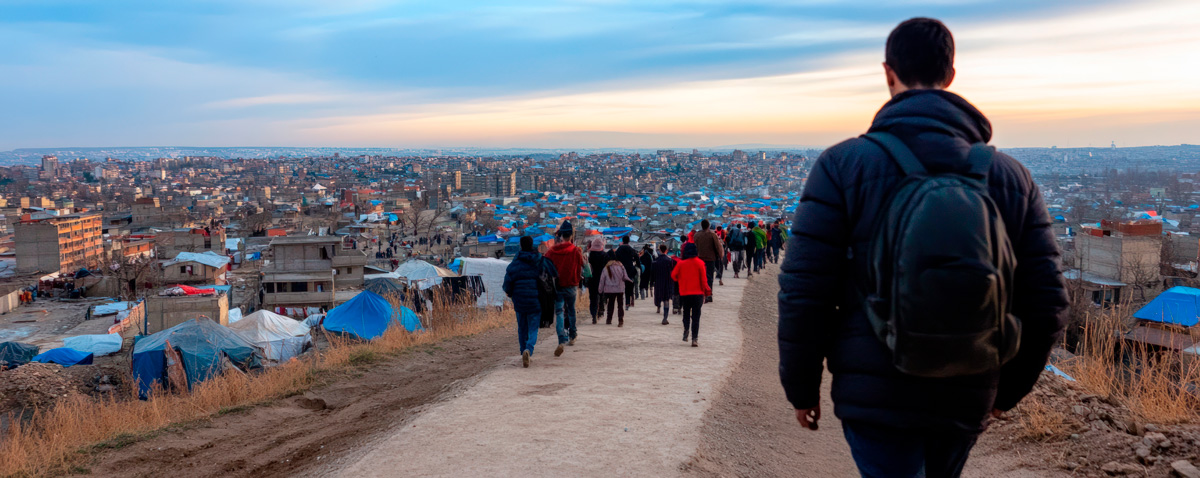
A long-simmering crisis in Yemen between former anti-Houthi allies Saudi Arabia and the UAE finally erupted in open clashes on December 30, 2025. Fighting between the UAE supported secessionist Southern Transitional Council (STC) and the Saudi backed, internationally recognized, Presidential Leadership Council (PLC) ended in a few weeks with seemingly a win for the Saudis as the UAE withdrew and the STC folded. This is part of a broader conflict between the UAE and Saudi Arabia who support vying groups in conflicts from Yemen to Sudan to Syria and involving regional powers like Egypt, Ethiopia, Israel, Tur key and others. It also has important ramifications for population movements from Ethiopia, Somalia, Eritrea and others feeding the Eastern Migration Route from the Horn of Africa to Yemen and thence to Saudi Arabia and the Arabian Peninsula. This latest fighting meant yet another tragedy for Yemen’s long-suffering civilians and migrant populations.
Now in its twelfth year, Yemen’s war has led to one of the world’s largest humanitarian tragedies. In 2025, an estimated 19.5 million people, over half the population, including 15 million women and children, needed humanitarian assistance – 1.3 million people more than last year. Nearly 49 percent of Yemen’s population (17.1 million people) face acute food insecurity and likely rising to 52 percent (18.1 million people) by February 2026. Half of all children under the age of five (2.3 million) are acutely malnourished with 0.5 million facing severe acute malnutrition while 1.3 million pregnant and lactating women are acutely malnourished. Some 40 percent of medical facilities no longer operate.
With the economy devastated, some 70 percent of the population is below the poverty line while public sector employees, including teachers and healthcare workers, struggle to get paid. There are 5 million Internally Displaced Persons (IDPs), overwhelmingly women and children, with recent renewed fighting likely leading to more. Yemen has suffered at least 380,000 war-related fatalities with some 150,000 directly from the war and its immediate violence – the rest from attendant hunger and disease.
Yet, even in this tragic context, Yemen remains the major transit point on the Eastern Migration Route, designated by the International Organization for Migration (IOM) as one of the world’s busiest and riskiest. Outgoing movements on this route increased by 34 percent between 2024 (178,300) and 2025 (238,000) for the period January-June. This eclipses the 127,000 crossing the Mediterranean to Europe in January-November 2025. Migrants are driven by economic considerations with employment opportunities in Saudi Arabia beckoning and push factors like conflicts in Ethiopia and Somalia and climate change. Close to 90 percent of migrants on the route are from Ethiopia with the remaining mostly from Somalia.
Migrants on the Eastern Route face harsh conditions, often traveling by foot while dependent on human smugglers and traffickers deploying varying degrees of violence, while confronting extreme heat and resultant dehydration, malnutrition, sickness such as cholera/acute water diarrhea, and exhaustion. Many travel through local frontlines, facing wanton violence from the fighting – including 68 African migrants killed in a US military airstrike targeting Houthi forces in April 2025. Most deaths tragically go unrecognized and unrecorded, including the hundreds drowning as boats flounder in the maritime crossing.
As with Libya on the Mediterranean Route, an ecosystem based on the cruel exploitation and extortion of migrants has taken hold on the Eastern Route – the UN terming the treatment, exploitation and killing of migrants there a crime against humanity. In the Mediterranean it is the EU, its member states and Frontex, the EU frontier agency that have colluded with Libyan militias and criminal gangs linked to human trafficking and smuggling to brutally choke off migration. Here the main culprits are Houthis, the PLC, other Yemeni factions, Saudi security forces, and Yemeni and Ethiopian human trafficking gangs.
Along the route migrants face detention by border officials and kidnappings by smugglers who detain migrants in brutal conditions and extort funds from their families – often sending videos of beatings to families in Ethiopia and elsewhere to extract payments. Forced labor in appalling conditions, forced marriages and beatings and rape are common with women and children particularly at risk, including recruitment as child soldiers by both the PLC and the Houthis.
The endpoint of the route, the Yemeni Saudi border, is a very dangerous crossing with active frontlines and two major unofficial crossing points into Saudi Arabia. The recent outbreak of fighting between the Saudi and UAE proxies further exacerbated the security situation. Migrants are often injured and killed in crossfire between combatants with a clandestine cemetery in the area with up to 10,000 bodies interred by fellow migrants. In October 2022 the U.N. reported that “migrants have been disproportionately affected by what appears to be direct targeting by Saudi security forces.” A Human Rights Watch report from August 2023 identifies further similar outrages by Saudi forces as do reports in 2025. The Saudi Government has yet to meaningfully respond.
It is reported that there are over 200,000 migrants in Yemen, including 43,000 stranded in transit and unable to continue onwards or return home – their resources often exhausted after border push backs. There is an ongoing Voluntary Humanitarian Return (VHR) by the UN’s IOM program which in 2024 brought 4,800 migrants back home to Ethiopia and Somalia. Saudi Arabia also deports substantial numbers of illegal immigrants including 84,000 repatriated to Ethiopia and Somalia in 2024. Overall it is estimated that there are some 750,000 Ethiopian migrants in Saudi Arabia with 450,000 having traveled there illegally.
In Yemen international assistance is vital, including for migrants. The Yemen 2025 Humanitarian Needs and Response Plan (HNRP) which provides humanitarian assistance and protection services to the most vulnerable is seeking US$2.47 billion. Yet it is only 25 percent funded, forcing agencies to scale back life-saving services across all sectors, despite increased needs. The same funding limitations apply to Yemen’s migrants.
The outlook is grim as conflict and climate shocks negatively impact vulnerable populations heightening prospects for more migration. What is needed are longer-term solutions such as enhanced legal venues allowing people to migrate in safety and dignity and, ultimately, addressing poverty, climate change and conflict which force people on these dangerous journeys. On migrants and refugees, we have the experience and knowledge to deal with the issue as demonstrated by the UN’s Global Compact for Migration (2018) and Global Compact on Refugees (2018). Yet in the current international environment with aid being cut by the US and other Western donors, growing anti-immigrant movements globally and multilateralism under attack, these efforts of just a few years ago seem almost quaint.
Indeed, there is now a real danger of another front in Sudan’s war initiated using Ethiopian territory which risks pulling Ethiopia and Eritrea into the conflict as well as Egypt and others. Sudan already represents the worst humanitarian crisis in the World and the expansion of the war – aside from widespread social and economic disruptions – will inevitably lead to untold numbers of civilian deaths and forced displacements with potentially more heading to the Eastern Migration route.
Averting our gaze and attention will have dire consequences for the millions that have been displaced and the many more to follow. We should have learned from Syria, Iraq and others that such tragedies don’t stay localized and this time the stability of the Gulf, now divided as never before, could eventually be at stake. Dealing with these threats before they reach a combustible, explosive stage is far more effective and far less costly than ignoring the suffering of desperate human beings for years on end. The choice is ours to make.